
Why Sea Point Suits Visitors Planning a Discreet Experience
Sea Point occupies a narrow strip of Cape Town’s Atlantic seaboard, wedged between the slopes of Signal Hill and the cold, restless water of the Atlantic. For visitors, its appeal is straightforward: a long, walkable promenade, a dense concentration of apartments, guesthouses and hotels, and a steady flow of locals and travellers that makes anonymity easy without feeling isolating. Unlike the more spread-out suburbs further along the coast, Sea Point compresses everyday life — coffee, groceries, exercise, evening meals — into a few compact blocks, which makes it genuinely practical to plan an adult companionship arrangement without drawing attention.
This guide is written for adults who are new to the area and want to approach an 18+ companionship experience with confidence, clear expectations and good manners. It deals with logistics, timing, boundaries and discretion rather than explicit detail. The emphasis throughout is on consensual, respectful engagement between adults.
Understanding the Promenade and Surrounding Areas
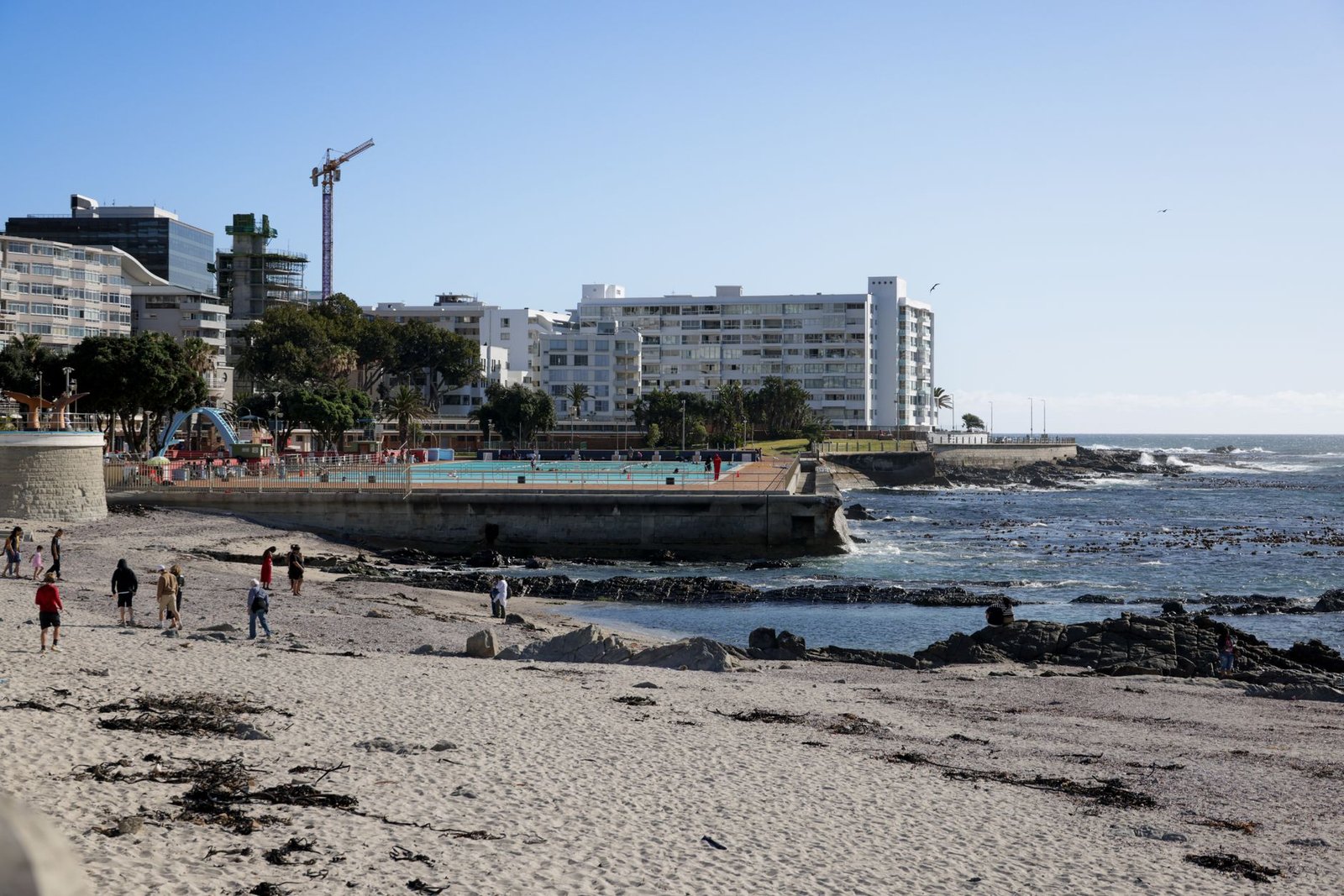
The Sea Point Promenade is the neighbourhood’s spine. It runs from the Mouille Point lighthouse end, past the Sea Point Pavilion and its public tidal pools, and continues toward Bantry Bay. It is busy in the early morning with runners and dog walkers, quietens in the middle of the day, and fills again around sunset. If you are arranging to meet someone for the first time, the promenade is useful as a neutral, public and well-lit reference point — a place where a brief introductory meeting carries no pressure and no expectation.
Behind the promenade, the streets climb the slope: Main Road forms the commercial artery, with Regent Road and the side streets feeding into it. This is where most of the area’s accommodation sits, from serviced apartments to small boutique guesthouses. Knowing the difference between the beachfront side and the hillside side matters, because parking, noise and evening foot traffic differ considerably between them.
Visitors often treat Sea Point, Green Point and the City Bowl as interchangeable. They are not. Green Point, immediately to the east, feels more stadium- and event-oriented, with a different evening rhythm and its own visitor etiquette. The City Bowl, on the other side of Signal Hill, is denser, more commercial and more formal. Gardens, just beyond the City Bowl, is quieter and greener. Recognising these distinctions helps you choose a meeting area that matches the tone of the arrangement you have in mind, whether that is a low-key daytime coffee or an evening that ends earlier than you might expect in a livelier district.
Timing Your Visit Around Seasons and Peak Periods
Cape Town’s visitor calendar is seasonal, and Sea Point feels it. The warmer, drier months — roughly November through March — bring long daylight hours, packed promenades and higher demand for accommodation and restaurant tables. The shoulder months of April, May, September and October tend to be quieter, with more variable weather but far more flexibility. The winter months are cooler and wetter, and the neighbourhood settles into a more local rhythm.
Beyond the seasons, it is worth thinking about the weekly and daily pattern. Weekday evenings are calmer than Friday and Saturday nights. Public holidays, major sporting fixtures, and large conferences in the City Bowl or at the Cape Town International Convention Centre can push hotel occupancy up sharply and make spontaneous arrangements harder. If your plans are date-specific, building in a little lead time is sensible.
Time of day also affects how visible any meeting will be. Mid-morning and early afternoon are the most discreet windows in Sea Point, because the promenade and cafés are full of ordinary, unremarkable activity. Late evening, by contrast, is when the area’s restaurants and bars are at their busiest and most conspicuous. Neither is inherently better — the right choice depends on whether you would rather blend into a crowd or move through a quieter street.
[BTSA_IMAGE_1]
Communicating Boundaries Clearly and Early
Good arrangements begin with clear, unhurried communication. Before any meeting, it is worth setting out in plain language what you are both expecting: the duration, the location, whether it is a social occasion or a private one, and any practical limits. This is not bureaucracy — it is the simplest way to avoid misunderstandings and to make sure both parties feel comfortable.
A few habits make a real difference:
- Agree on a start time and an end time, and treat both as firm.
- Confirm the meeting point in advance, ideally somewhere public for the first contact.
- Be explicit about what is and is not acceptable to you, and listen carefully to the same from the other person.
- Do not press for information or commitments that have not been offered.
- If something changes, say so early rather than at the last minute.
Consent is ongoing, not a one-off agreement. Someone may be perfectly happy with one kind of arrangement and not another, and that can change. Respecting a clear yes — and an equally clear no — is the foundation of any arrangement worth having.
Verifying Profiles Through Big Time SA
Directory listings vary widely in quality, so a little diligence goes a long way. On Big Time SA, listings are organised by region and locality, which makes it easier to see who is genuinely active in the Western Cape and to compare profiles rather than relying on a single source. Read a profile in full rather than skimming the headline. Look for consistent, specific detail — a clear description, stated preferences and a realistic sense of what is on offer — and treat vague or contradictory listings with caution.
It also helps to think about verification as a two-way process. Just as you want to be confident about who you are meeting, the person you are meeting wants to be confident about you. Being straightforward about your own expectations, arriving when you say you will, and communicating in complete sentences rather than rushed fragments all contribute to that confidence.
If you are unsure where to start, the Western Cape profiles and locations hub is a sensible first stop, and you can also browse a current Big Time SA profile to get a feel for how listings are structured before you search more narrowly.
Practising Discretion in a Busy Coastal Neighbourhood
Sea Point is dense, and density cuts both ways. On the one hand, a busy promenade and a steady stream of visitors make it easy to be unremarkable. On the other, apartment blocks are close together, balconies overlook one another, and the same café staff see the same faces day after day. Discretion here is less about secrecy and more about ordinary consideration.
Practical points worth remembering:
- Choose accommodation with a separate entrance or a reception desk rather than a shared, overlooked front door.
- Keep voices and music at a considerate level, especially in the evening.
- Avoid lingering in stairwells, corridors or parking areas.
- Be mindful that the promenade is a family space during the day and a social one at night.
- If you are staying near the Pavilion or the tidal pools, expect more foot traffic than the quieter residential streets above Main Road.
Discretion also means not making assumptions about other people’s privacy. A low profile protects everyone involved and keeps the neighbourhood’s relaxed character intact.
Getting Around and Choosing Where to Stay
Sea Point is compact, and much of it is walkable, but the slope between the promenade and the higher streets is steeper than it looks on a map. Ride-hailing services are widely used and generally straightforward, and metered parking along Main Road is available but competitive in the evenings. If you are planning several meetings over a stay, a base near the lower end of the suburb — close to the promenade and Main Road — reduces the need to travel far.
It is worth understanding how Sea Point sits in relation to the rest of the peninsula. Clifton and Camps Bay lie further south along the same coastal road, both quieter and more seasonal, with a different visitor profile. Bellville and Brackenfell, inland to the east, are larger, more residential and less tourist-oriented. Bloubergstrand, across Table Bay to the north, has its own distinct atmosphere and a much longer commute into the city. Beaufort West, far inland on the N1, is a completely different context and not a substitute for a Cape Town coastal stay.
If you want to read more about how neighbouring areas handle visitor arrangements, the Green Point visitor guide covers the adjacent suburb in similar detail, and Adult Nightlife in Gardens offers a thoughtful local perspective on a quieter part of the city. For a completely different South African context, Adult Nightlife in Soweto is a useful point of comparison.
Bringing It Together
A discreet, respectful experience in Sea Point is not complicated, but it does reward preparation. Understand the geography of the promenade and the streets behind it. Time your visit around the seasons and the weekly rhythm rather than against them. Say what you mean, and listen when the answer is no. Verify before you commit. And keep a low profile out of consideration for the people who live here year-round.
Done well, an arrangement in Sea Point can be straightforward, unremarkable and entirely consistent with the neighbourhood’s easygoing character. Done carelessly, it can be awkward for everyone. The difference lies almost entirely in the planning.